
The Rare Bird Lab
GTM Methodology
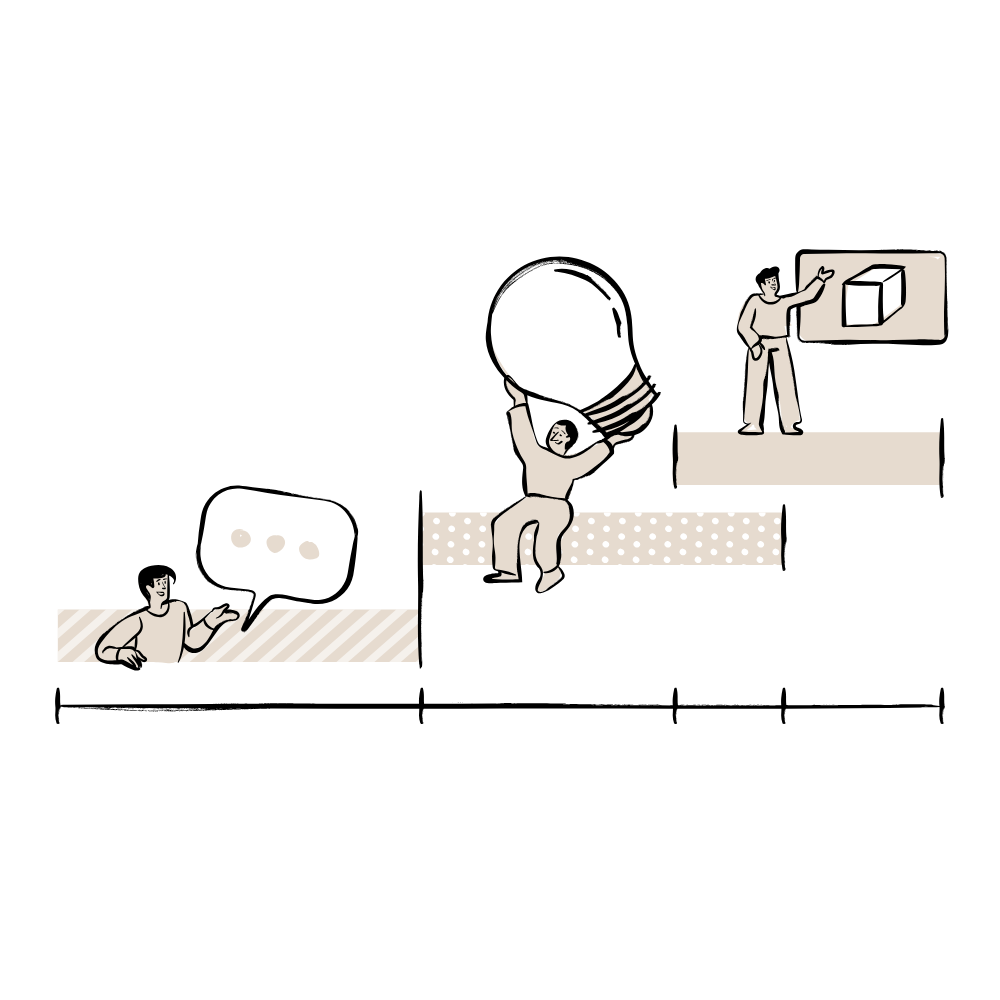
Most devtools companies don't fail because of a bad product. They fail because their go-to-market was built on guesswork, or worse, on playbooks borrowed from industries that don't look anything like theirs. Selling to developers, SREs, and platform engineers requires a fundamentally different approach than selling to business buyers, and the methodology behind Rare Bird Lab was built from the ground up around that reality.
This framework was developed through dozens of engagements across the devtools landscape, refined through repetition, and pressure-tested with real pipeline results. It is not theoretical. Every phase, every workstream, every deliverable exists because it has worked, repeatedly, for companies at different stages and in different categories.
The framework moves through six phases. Not every engagement touches all six. Some clients need the full arc from market research through optimization. Others come in with strong positioning and need execution. The framework adapts to where you are, not where a template says you should be.
Phase 1: Market Intel
Before I write a single line of copy or build a single campaign, I need to understand your market the way your buyers experience it. Not how your internal team describes it, but how the people evaluating your product actually think, compare, and decide.
Core workstreams:
Win/loss analysis. I dig into why deals closed and why they didn't. The patterns in your losses are almost always more valuable than the patterns in your wins. This is where positioning gaps, competitive blind spots, and messaging misalignment surface.
Competitive intel. Not a spreadsheet of feature checkboxes. A real read on how your competitors position themselves, where they show up, what language they use, and where they leave gaps you can own.
Buyer research. Conversations with evaluators, technical decision-makers, and champions inside your target accounts. I want to know what they searched for, what they compared you against, what almost made them walk away, and what pulled them in.
Tactical activities:
Market problem identification, which means mapping the actual problems your buyers are trying to solve (not the ones your product team assumes they have). Asset assessment to take inventory of what you already have, what's working, what's stale, and what's missing entirely.
Inputs and tools:
Evaluator interviews, trade show and community insights, and structured frameworks for cataloging market problems, distinctive competencies, and competitive landscape dynamics.
Phase 2: Foundation
This is where the strategic backbone gets built. Everything that comes after, every blog post, every launch, every sales asset, traces back to decisions made in this phase. Get it wrong here and you spend the next year optimizing content that's aimed at the wrong audience with the wrong message.

Core workstreams:
Positioning. Where does your product sit in the market, and why should anyone care? This is not a tagline exercise. It is a rigorous process of defining your category, your differentiation, and the specific value that matters most to the specific buyers you are trying to reach.
Messaging framework. The actual words, phrases, and narratives that carry your positioning into every channel. A messaging framework should make it easy for anyone on your team to talk about the product consistently, whether they are writing a blog post, giving a demo, or pitching at a conference.
Buyer personas. Not fictional character sheets with stock photos. Functional profiles of the people involved in a buying decision: what they care about, what they are measured on, what makes them trust or distrust a vendor, and how they research tools before ever talking to sales.
Tactical activities:
Use scenario development to map how different buyers actually interact with your product in practice. Stakeholder communications planning to make sure internal teams, investors, and partners are aligned on the narrative.
Inputs and tools:
Product team interviews to extract the technical depth that marketing needs to get right. Brand voice standards to establish how the company sounds, consistently, across every touchpoint.
Phase 3: Planning
With the foundation set, this is where strategy becomes a plan. What content gets built, what keywords get targeted, how launches get structured, and what the next 6-12 months actually look like on a calendar.
Core workstreams:
Content strategy. Not a list of blog titles. A system that connects every piece of content to a keyword, a stage in the buying journey, and a measurable outcome. Every piece earns its place.
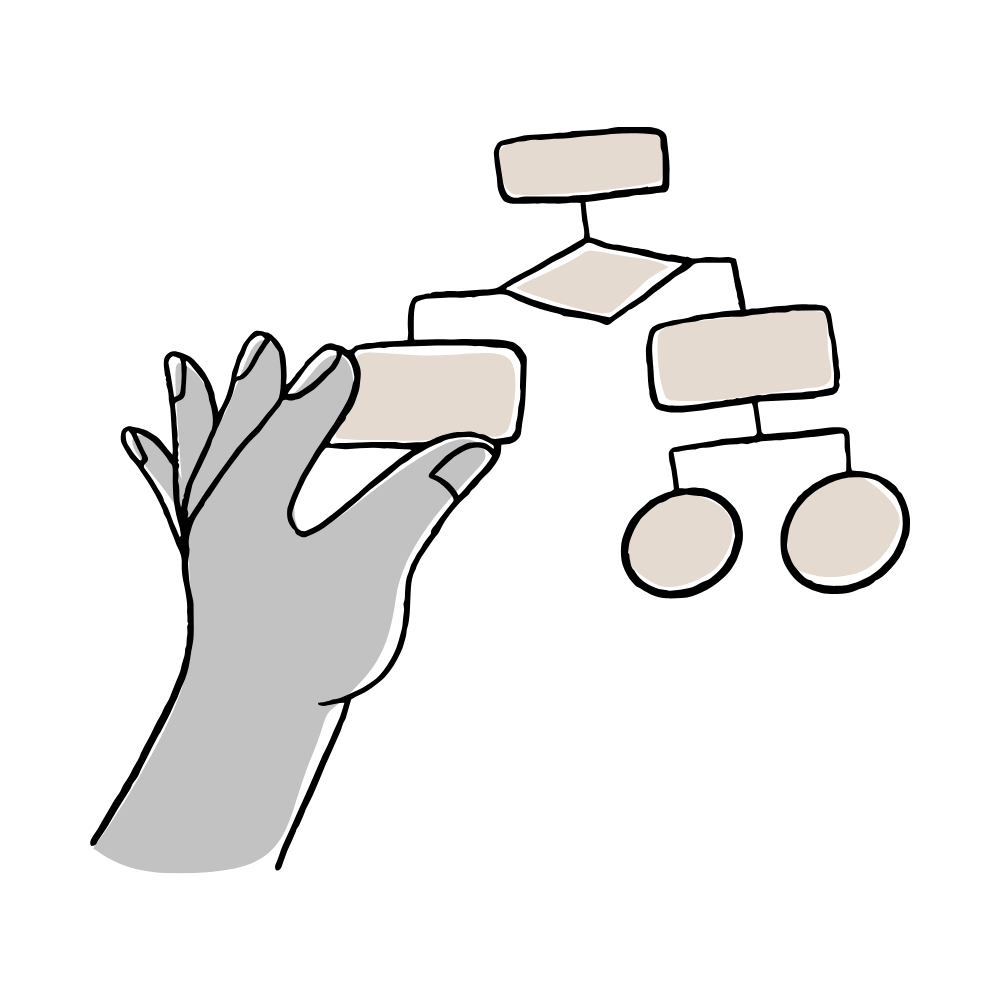
SEO architecture. Site structure, topic clusters, internal linking strategy, and technical SEO fundamentals. For devtools companies, this also includes GEO (generative engine optimization), structuring content so it gets cited by AI answer engines like ChatGPT, Claude, and Gemini, not just indexed by Google.
Launch playbook. A repeatable system for taking features, products, and company milestones to market. Pre-launch seeding, launch day execution, post-launch content that captures the search demand a launch creates. Built around your calendar, not a generic template.
Tactical activities:
Keyword research mapped to buyer intent and competitive opportunity. Buyer experience mapping to identify where prospects get stuck, drop off, or need a different kind of content to keep moving.
Inputs and tools:
Content brief templates that give writers everything they need to produce technically credible work on the first pass. Distribution strategy documentation so content does not sit on the blog waiting to be discovered.
Phase 4: Programs
This is where the work ships. Blogs go live, launches execute, campaigns run, and the content engine starts generating measurable results.
Core workstreams:
Blog and SEO. Original, technically credible long-form content built for search performance. Primary keyword in the H1 and first 100 words, secondary keywords distributed through the body, FAQ sections targeting featured snippets, meta descriptions optimized for click-through. Every piece is written at the level of fluency that developers and data scientists expect from a peer.
GEO and AI visibility. The same structural decisions that help Google rank a page also help AI engines identify it as a credible source. I build content that earns citations in ChatGPT, Perplexity, and Gemini, putting your product into the answer before a sales conversation ever starts.
Launch execution. Coordinated campaigns around product releases, funding announcements, conference appearances, and company milestones. Press outreach, social distribution, community seeding, and post-launch content capture.
Tactical activities:
Awareness and nurturing programs that keep your brand in front of buyers at every stage. Advocacy and measurement systems to track what is working and amplify what converts.
Inputs and tools:
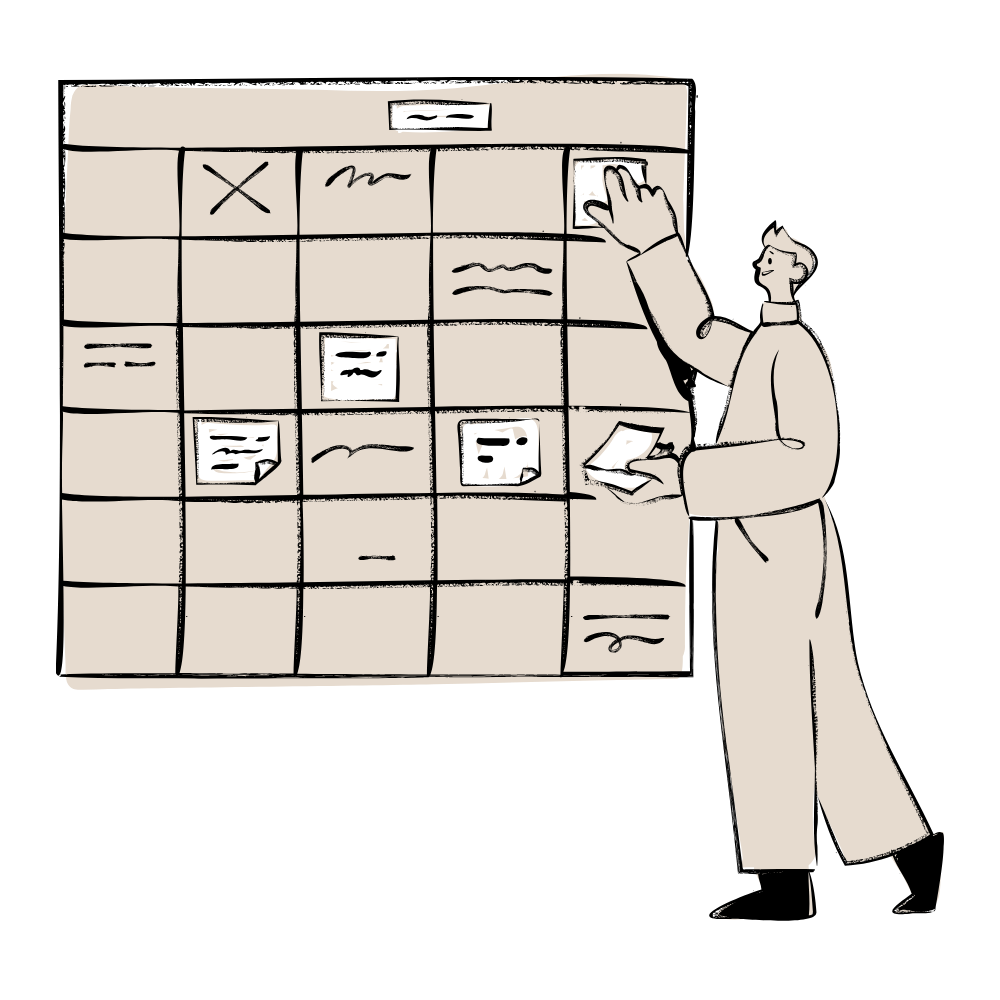
Content calendars that keep the operation running at a consistent publishing cadence. Event coordination to make sure conference appearances, hackathons, and community events connect back to the broader GTM motion.
Phase 5: Enablement
Marketing that does not make the sales team's job easier is marketing that gets ignored. This phase builds the assets and alignment that turn marketing work into pipeline.

Core workstreams:
Sales tools. Battlecards, competitive one-pagers, objection-handling guides, and product comparison sheets. The materials your sales team can use without calling you for context.
Case studies. Real stories from real customers, structured to answer the questions a buyer has when they are deep in evaluation. Not testimonial fluff. Detailed accounts of the problem, the approach, and the measurable result.
Channel training. Making sure partners, resellers, and anyone else representing your product can speak about it with accuracy and confidence.
Tactical activities:
Sales alignment sessions to make sure marketing and sales are telling the same story and targeting the same buyers. Content marketing that feeds the sales funnel directly, not just the blog traffic report.
Inputs and tools:
Product roadmap input so enablement assets stay current as the product evolves. Demo and proposal support to make sure the materials used in live selling situations are sharp, accurate, and on-brand.
Phase 6: Optimize
Go-to-market is not a project. It is an ongoing operation. This phase is about measuring what is working, cutting what is not, and continuously tightening the engine.

Core workstreams:
Analytics. Tracking organic traffic, keyword rankings, AI visibility, content performance, lead attribution, and pipeline contribution. Not vanity metrics. The numbers that tell you whether the GTM motion is actually generating revenue.
Channel tuning. Adjusting distribution, publishing cadence, and content formats based on what the data says. Doubling down on what converts, retiring what does not.
Roadmap alignment. Keeping the GTM strategy connected to the product roadmap so marketing is always positioned ahead of what the product team is building, not reacting to it after the fact.
Tactical activities:
Performance data review on a regular cadence. Revenue retention analysis to make sure existing customers are getting the same level of attention as new prospects.
Inputs and tools:
KPI dashboards that give you a clear, real-time read on GTM performance. Quarterly reviews to step back, assess the full picture, and recalibrate priorities for the next cycle.
The Bigger Picture

These six phases do not operate in a vacuum. Every engagement exists within a broader context that shapes the work: devtools buyer behavior, competitive landscape, product roadmap, community and events, sales pipeline, technical credibility, search and AI trends, category dynamics, partner ecosystem, budget and stage, regulatory context, and ICP definition. These forces are always in play, and the framework accounts for them at every step.
The methodology is the reason I can move fast without cutting corners. It is the reason I can walk into a new engagement and start producing results in weeks, not months. And it is the reason the work holds up, because it is built on a system, not on guesswork.